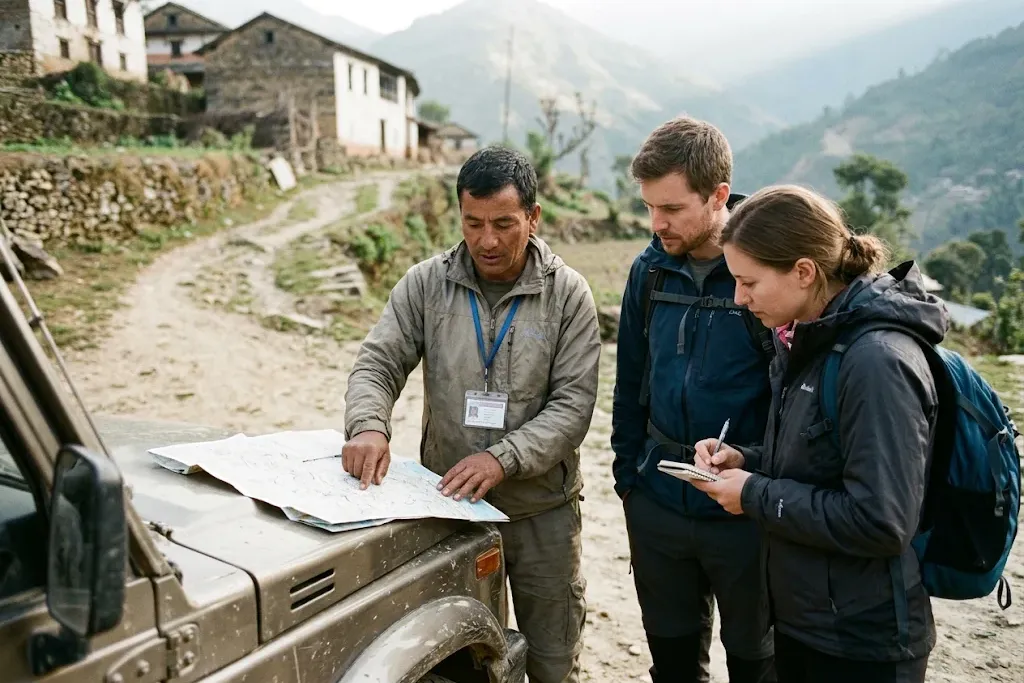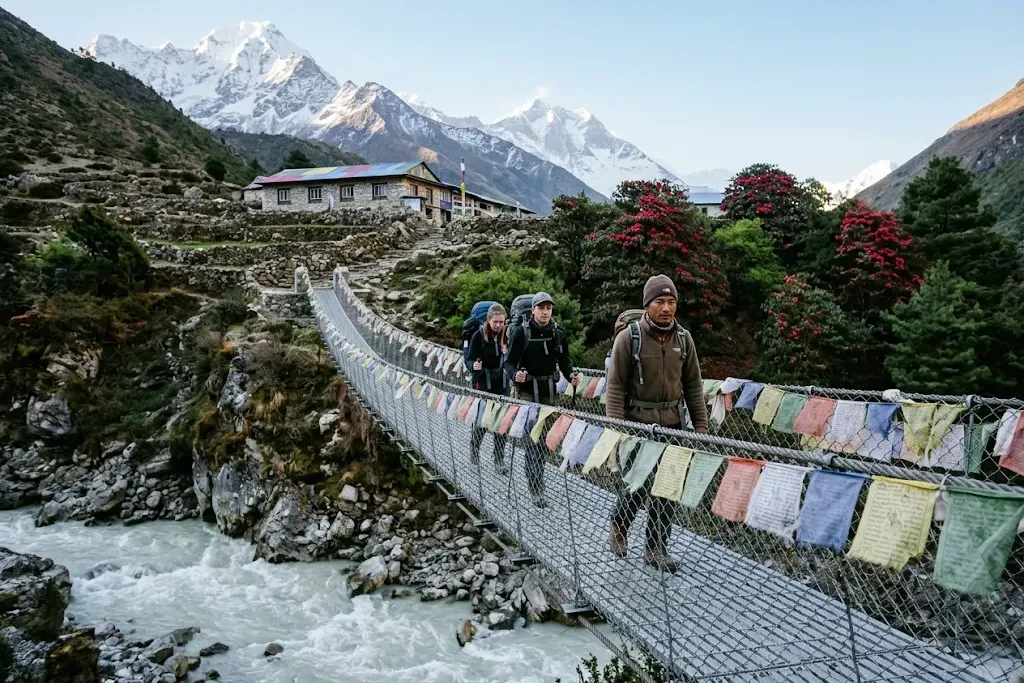
Yes, on most routes. Since 1 April 2023, foreign trekkers in Nepal's national parks, conservation areas and restricted areas must be accompanied by a licensed guide hired through a government-registered agency. Nepali citizens are exempt. The Everest region is the one place where the rule has been applied unevenly, so plan on a guide there too.
This guide covers what the rule means on the trail, which permits you need for the main treks, what a guide costs and how to choose one.
Where the rule came from
The Nepal Tourism Board announced the change in March 2023 and it took effect on 1 April 2023. The board's stated reason was safety: solo trekkers had gone missing or been injured on remote trails, and searches were slow and costly. Critics, including some guides, argued it was also about jobs and fees. Either way, it is the rule, and checkpoints on the main routes ask to see your permits and your guide.
What it changes for you:
- You can't get a TIMS card (the trekker registration card) on your own any more; it is issued through an agency together with your guide.
- You can still hike with a friend or partner, but you need a licensed guide with you.
- A porter is optional. Only the guide is required.
The Everest (Khumbu) exception, explained
The Everest region is managed partly by the Khumbu Pasang Lhamu Rural Municipality, which replaced the TIMS card with its own local entry permit. Reports since 2023 differ on whether the guide rule is enforced on the Everest Base Camp trail as strictly as elsewhere. Some trekkers still walk without one, and some agencies say a guide is required.
Our advice: don't build a trip on a loophole. Weather, altitude and rescue logistics are the real reasons to have a guide on a 5,000 m trek, and rules can be enforced at short notice.
Permits and fees for the main treks
Fees are per person and set by the park or local authority. Most are quoted in Nepali rupees (NPR); NPR 3,000 is roughly US$20 to 25 depending on the exchange rate.
| Trek | Permits you need | Typical cost |
|---|---|---|
| Everest Base Camp | Sagarmatha National Park permit, Khumbu Pasang Lhamu municipality permit | NPR 3,000 + NPR 2,000 to 3,000 (sources differ) |
| Annapurna Base Camp, Annapurna Circuit, Poon Hill | Annapurna Conservation Area permit (ACAP), TIMS card | NPR 3,000 + TIMS |
| Langtang Valley | Langtang National Park permit, TIMS card | NPR 3,000 + TIMS |
| Manaslu Circuit | Restricted-area permit, Manaslu Conservation Area permit, ACAP | From US$100 for the first week in September to November |
| Upper Mustang | Restricted-area permit, ACAP | US$500 for the first 10 days |
TIMS cards have been listed at NPR 1,000 for group trekkers and NPR 2,000 for independent trekkers. Because cards now come through your agency, they are usually included in the price you're quoted.
Restricted areas (Manaslu, Upper Mustang, Upper Dolpo, Nar Phu, Tsum Valley and others) have always needed a guide. A change in March 2026 lets a single trekker apply for a restricted-area permit in their own name; until then you needed a group of at least two. The guide requirement stays.
What a guide costs
Most agencies quote US$25 to 50 a day for a licensed guide and US$18 to 30 a day for a porter in 2026. Wages for trekking workers are agreed nationally and rise from time to time, so quotes vary with experience, languages and route.
What the daily rate usually includes:
- The guide's wage, food, lodging and insurance on the trek.
- Their transport to the trailhead and back.
What it usually doesn't include:
- Your own permits, lodging, meals and transport.
- A tip. A common guideline is 10 to 15 percent of the guide's total wage, given at the end.
A package from an agency bundles all of this, so compare the full price, not the guide's day rate.
When to go
The two main seasons are October to November, when skies are clearest after the monsoon, and March to May, when rhododendrons flower on the lower trails. These are also the busiest months on Everest and Annapurna. December to February is cold but clear, with fewer people on lower routes; high passes can be snowed shut. June to September is monsoon season: leeches, cloud and landslides on most routes, though rain-shadow areas like Upper Mustang are good then.
How to choose a guide
- Ask for their licence. Licensed trekking guides in Nepal carry an ID card issued after government training. Ask to see it.
- Check the agency is registered with the Department of Tourism and, ideally, a member of the Trekking Agencies' Association of Nepal (TAAN).
- Ask who carries the risk. The agency should insure its guide and porters. You need your own travel insurance that covers trekking at altitude and helicopter rescue.
- Talk before you book. A good guide asks about your fitness, your experience at altitude and what you want from the trek, and builds in acclimatisation days.
- Read reviews from real trips. Look for reviews that mention the guide by name and describe what happened when plans changed.
The short version
- A licensed guide is required on almost every trekking route for foreigners, and always in restricted areas.
- Budget about US$25 to 50 a day for a guide, plus permits of roughly US$35 to 50 per trek outside restricted areas.
- Go in October to November or March to May.
- Rules are updated often. Check the latest with the Nepal Tourism Board or your agency before you travel.